
Common Causes of Low Water Pressure in Dallas, GA Homes
Why Low Water Pressure Happens in Dallas, GA Homes
Low water pressure is one of the most common plumbing concerns homeowners experience in Dallas, GA. Whether it occurs in the shower, kitchen sink, or throughout the entire home, reduced water flow can quickly disrupt daily routines. While some pressure changes may seem minor at first, they can also indicate underlying plumbing problems that require attention.
Water pressure issues can originate from multiple points within a plumbing system. In some cases the problem is isolated to a single fixture, while other times it affects the entire home. Understanding the potential causes helps homeowners determine whether the issue may be simple to address or whether professional plumbing evaluation is necessary.
Dallas homes vary widely in age, plumbing materials, and water system configurations. Older homes may still rely on aging pipes, while newer construction may have pressure regulators or valves that require adjustment. Environmental factors such as mineral buildup in local water supplies can also contribute to reduced flow over time.
Some of the most common causes of low water pressure include:
- Mineral buildup inside pipes or fixtures
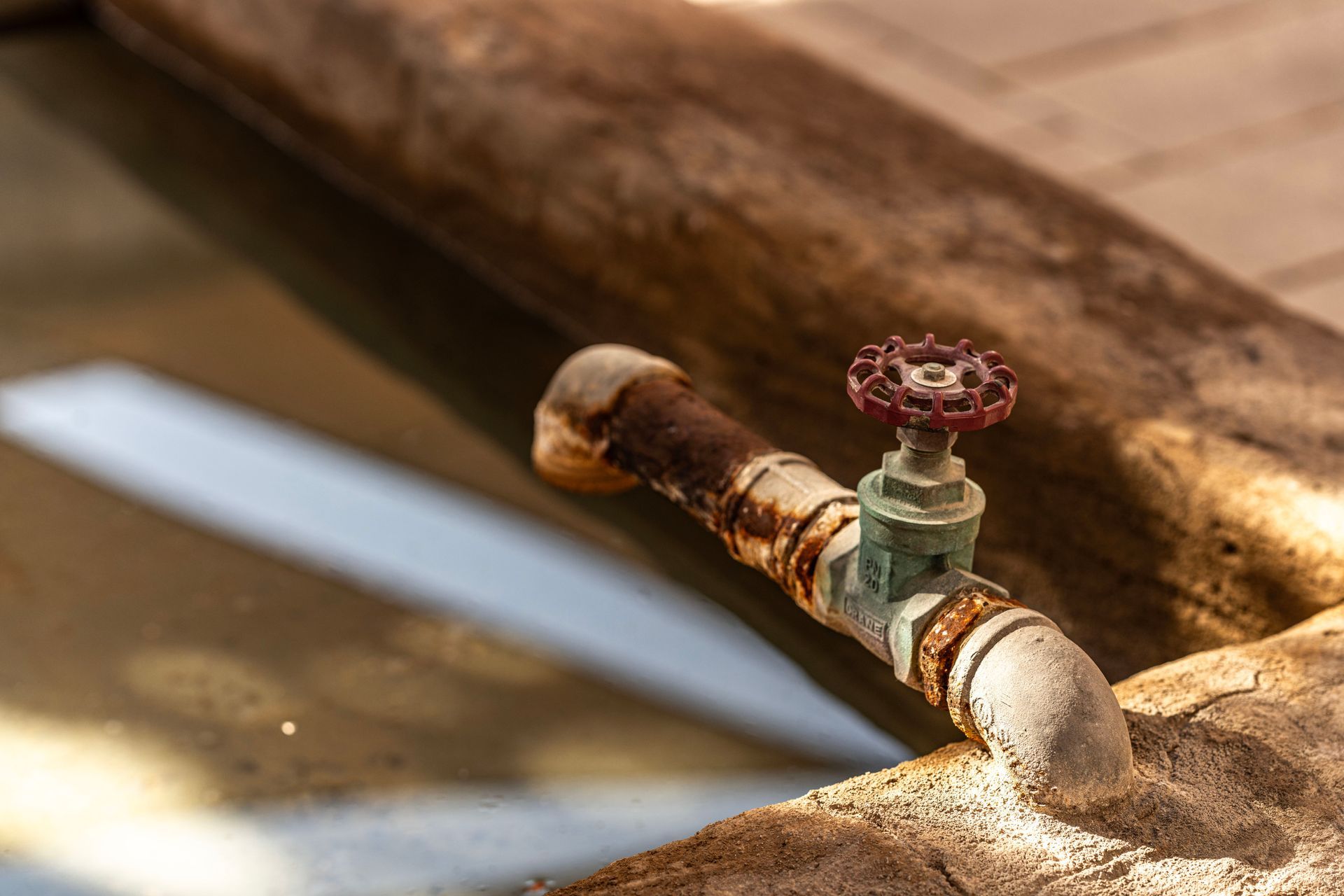
- Partially closed shutoff valves
- Leaks within the plumbing system
- Failing pressure regulators
- Municipal supply fluctuations
Because plumbing systems are interconnected, even a small issue in one part of the system can affect overall pressure levels. Identifying the root cause early helps prevent more serious plumbing problems from developing later.
Signs Your Water Pressure Problem May Require Professional Plumbing Help
Not all water pressure issues require major repairs, but certain warning signs suggest that a deeper plumbing issue may be present. If pressure drops suddenly or affects multiple fixtures at the same time, the problem may involve supply lines, pressure regulators, or hidden leaks.
Gradual pressure loss can also indicate buildup within pipes. Over time, minerals from hard water accumulate inside plumbing lines and restrict flow. This buildup narrows the pipe diameter and reduces the amount of water that can pass through.
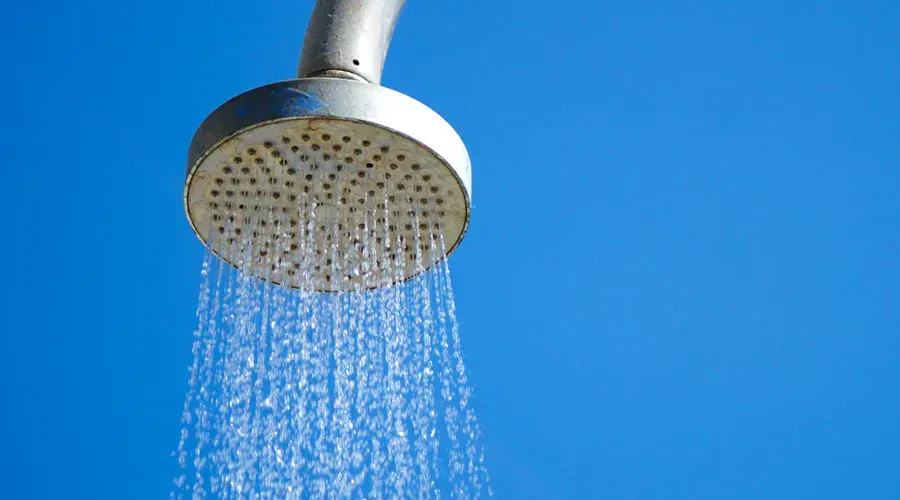
Homeowners in Dallas may notice these problems first in showers or faucets that previously had strong water flow. While cleaning aerators or showerheads may temporarily improve pressure, deeper plumbing issues often require inspection of the broader system.
Signs that a professional plumbing evaluation may be needed include:
- Water pressure dropping throughout the entire home
- Sudden changes in pressure after plumbing work
- Unusual noises coming from pipes or fixtures
- Water pressure fluctuating throughout the day
- Visible leaks or unexplained water usage increases
When these symptoms appear, addressing the issue early helps prevent additional plumbing damage. Problems such as pipe corrosion or hidden leaks can worsen over time if left unresolved.
Preventing Water Pressure Problems in Dallas and Surrounding Areas
Maintaining consistent water pressure often begins with routine plumbing maintenance. Regular inspections of valves, fixtures, and exposed piping can help identify small issues before they grow into larger plumbing problems. In many homes, simple maintenance steps significantly improve system performance.
Mineral buildup is one of the most common contributors to pressure loss in Georgia homes. Cleaning faucet aerators and showerheads periodically helps remove sediment that restricts water flow. Monitoring pressure regulators and ensuring main water valves remain fully open also helps maintain stable pressure levels.
Homeowners can take several proactive steps to protect their plumbing systems, including:
- Cleaning faucet aerators and showerheads regularly
- Checking main water shutoff valves periodically
- Monitoring household water pressure levels
- Scheduling routine plumbing inspections
- Addressing small leaks promptly
Residents in Dallas, GA as well as nearby communities such as Hiram, Powder Springs, Acworth, and Rockmart often experience similar plumbing conditions due to regional water supply characteristics and home construction styles.
By understanding the causes of low water pressure and addressing small plumbing concerns early, homeowners can maintain reliable water flow and avoid larger plumbing disruptions in the future.