Why January Is the Most Important Month for Water Heater Maintenance
Why January Places the Highest Demands on Your Home’s Water Heater
January consistently stands out as the most demanding month of the year for water heaters in Georgia. Cold temperatures push plumbing systems to their limits, and even high-quality equipment can struggle to keep up when groundwater temperatures drop dramatically. The water entering your home is significantly colder this time of year, forcing the unit to work harder and run longer cycles just to maintain the temperature your household expects. This increased workload exposes any inefficiencies, wear, or hidden problems that developed throughout the previous year.
Most homeowners only notice the signs of strain when changes in water performance become too obvious to ignore. For example, showers may begin lukewarm rather than hot, hot water may run out faster than it used to, or the system may take noticeably longer to recover between uses. These changes are not usually sudden failures; they are symptoms of issues that have been building up slowly—often for months. January simply magnifies them.
Because of this seasonal shift, water heaters experience several challenges that rarely appear during warmer months. Some of the most common winter stress factors include:
- Colder incoming water: Your system must heat water that can be 15–25 degrees colder than in summer.
- Increased household usage: Families shower more frequently in colder weather and use more hot water for cooking and cleaning.
- Longer heating cycles: Units run longer to keep up with demand, putting additional strain on components.
- Sediment becoming more noticeable: Built-up minerals at the bottom of the tank make it harder to maintain consistent temperatures.
- Thermostat inaccuracies: Cold weather can cause thermostats to overcorrect or function inconsistently.
These seasonal factors are why January inspections are especially valuable. If a system is under-performing, winter makes it obvious—and if a system is nearing the end of its life cycle, this is often the month when it will show signs of failure. Not because winter causes problems, but because it reveals the ones already there.
Homeowners often assume that hot water problems originate from the water heater itself, but winter conditions affect the entire plumbing system. Pipes contract in cold temperatures, increasing pressure and making the system work harder overall. Tankless units can also face reduced efficiency if airflow is restricted or if mineral buildup affects sensors during high-demand periods. The point is simple: winter exposes weaknesses across the entire plumbing system, not just in the water heater.
Because of this, many homeowners schedule maintenance in January not merely to fix issues, but to prevent more serious ones. A thorough inspection during the coldest months reduces the likelihood of mid-winter breakdowns and helps keep utility costs under control. When a water heater struggles, it doesn’t just inconvenience your family—it also consumes more energy, which can significantly increase monthly bills. For families trying to manage winter expenses, this inefficiency can add up quickly.
Starting the year with a well-maintained water heater provides peace of mind and ensures your home remains comfortable throughout the remaining winter months. By understanding the unique challenges January brings, homeowners can take proactive steps to maintain reliability, efficiency, and safety throughout the season.
The Benefits of Scheduling Water Heater Maintenance During Peak Winter
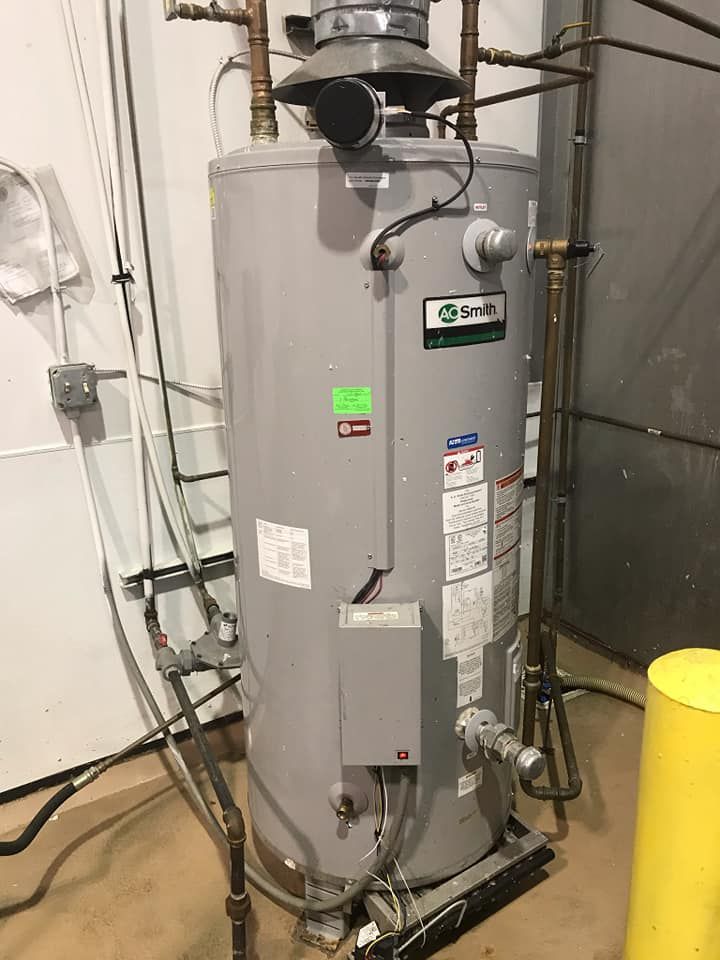
Water heater maintenance is valuable year-round, but January is when those benefits produce the most noticeable improvements. When your unit is under its heaviest seasonal workload, even minor tune-ups can create dramatic changes in performance and comfort. Whether your system is newer or more than a decade old, mid-winter maintenance can prevent breakdowns, extend the lifespan of your equipment, and improve day-to-day reliability throughout the coldest time of year.
One of the foundational steps in maintaining a water heater is addressing sediment buildup. Over time, mineral deposits settle at the bottom of tank-style units, forming a layer that reduces heating efficiency. During winter, this sediment becomes especially problematic because the heater must work harder to heat colder water. When the burner or elements must heat through a layer of sediment, it increases energy usage and slows the system’s ability to produce hot water. Tank flushing during a January tune-up immediately improves both performance and energy efficiency.
Another important element of winter maintenance is inspecting the thermostat and ensuring accurate temperature regulation. In cold weather, thermostats can lose calibration or overcompensate in an attempt to maintain consistent temperatures. This can lead to unnecessary energy consumption, water that is too hot, or fluctuations that cause comfort issues. Recalibrating the thermostat during a winter inspection solves these problems and allows the unit to operate more precisely.
For electric water heaters, checking the condition of the heating elements is crucial. Elements wear down over time, and winter exposes weakened components faster than any other season. When a system is struggling, replacing a failing element can drastically improve heating speed and recovery time. In gas systems, examining the burner, ignition components, and ventilation ensures safe and efficient operation. A properly tuned gas burner improves heat output and reduces wasted energy during high-demand periods.
Homeowners with tankless water heaters benefit equally from winter maintenance. Tankless systems can experience reduced efficiency in colder months because the unit must heat colder water instantly. If mineral buildup affects the heat exchanger or flow sensors, performance can drop dramatically. Winter maintenance typically includes:
- Descaling the heat exchanger to remove mineral buildup.
- Cleaning intake filters that may restrict airflow in cold weather.
- Inspecting sensors to ensure accurate temperature regulation.
- Checking venting systems for winter obstructions or moisture issues.
These steps help tankless systems maintain optimal performance during the coldest months and prevent winter-specific problems such as long startup delays or inconsistent temperature output.
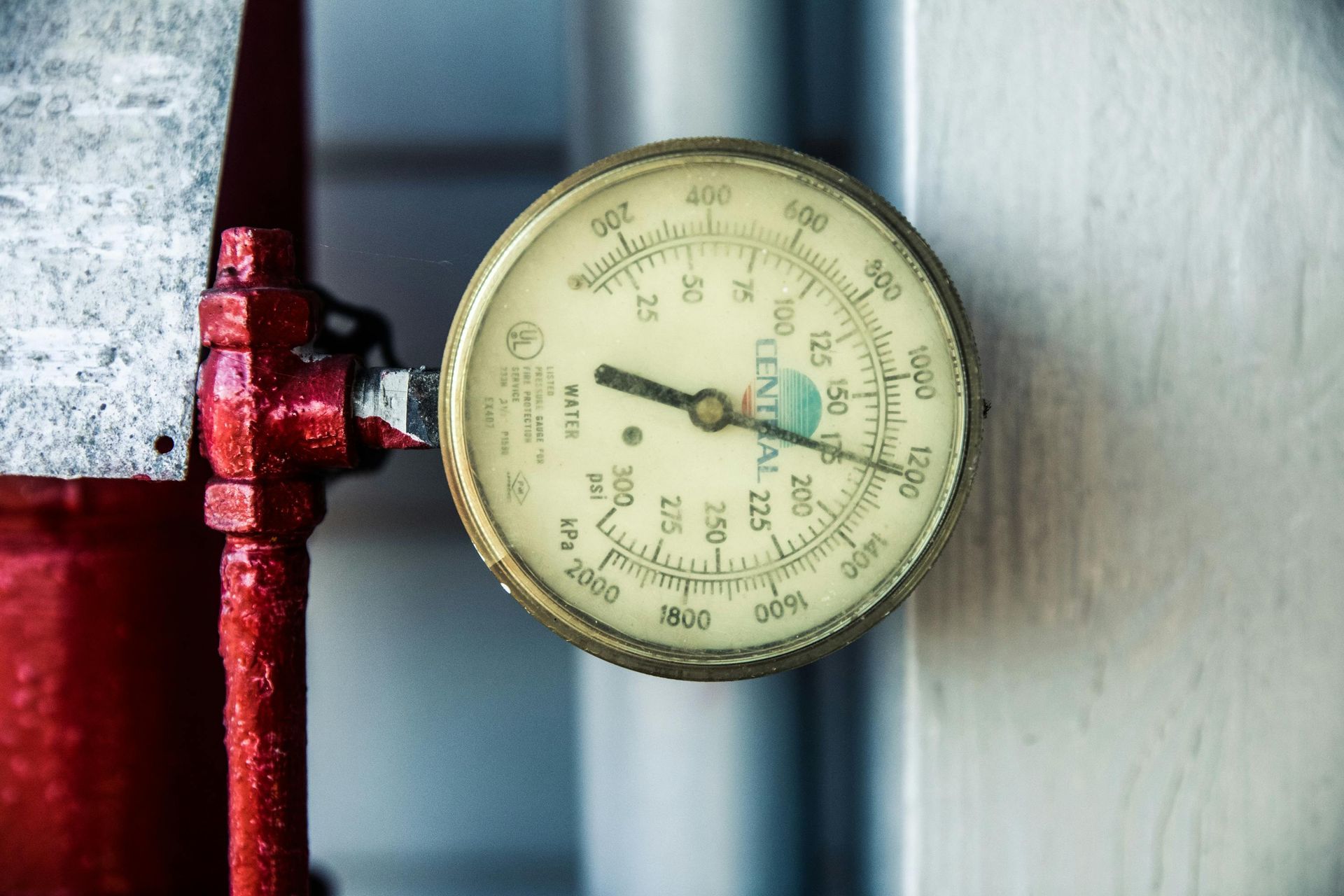
Winter maintenance also improves household safety. Pressure buildup is more common in winter due to colder incoming water and longer heating cycles. Inspecting the temperature and pressure relief valve ensures the system remains safe during high-demand periods. This is an essential component of water heater maintenance and can prevent dangerous pressure-related issues.
Ultimately, the goal of January maintenance is more than short-term performance—it is about optimizing your water heater for long-term reliability. By identifying early signs of wear, correcting inefficiencies, and ensuring stable operation, homeowners can avoid the costly repairs and emergency service calls that often occur during peak winter conditions.
How a Winter Water Heater Inspection Protects Your Home for the Year Ahead
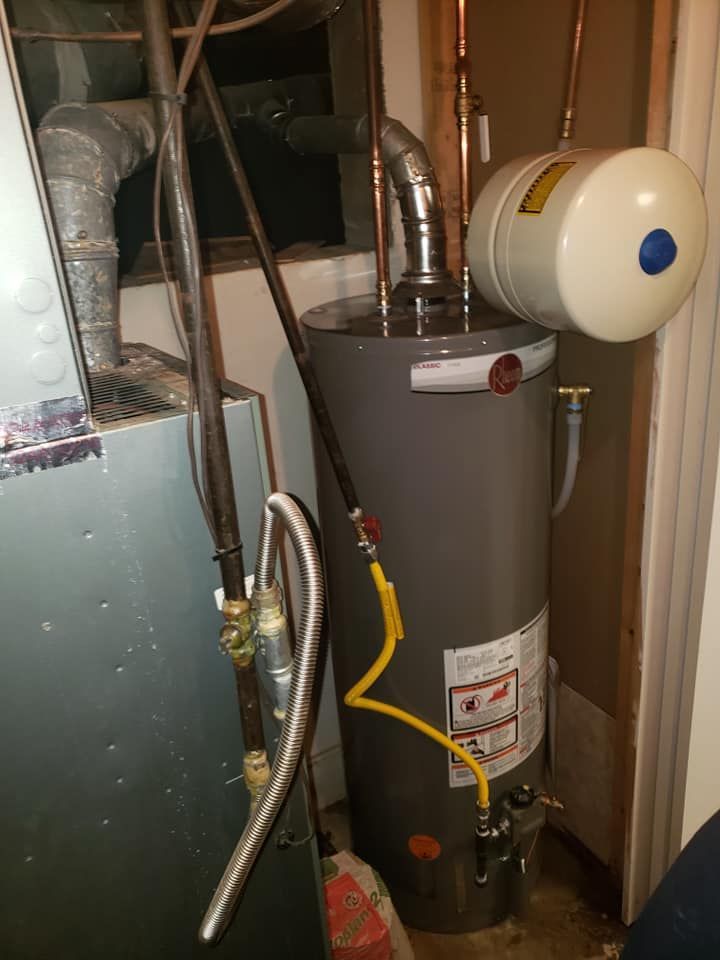
The advantages of January water heater maintenance extend well beyond the winter season. A well-maintained system delivers better long-term performance, lower utility costs, and improved household comfort throughout the entire year. By addressing stress and wear during the coldest month, homeowners set themselves up for fewer problems and a more efficient system during the months ahead.
One of the biggest long-term benefits is the extension of the water heater’s lifespan. Units that struggle through winter without maintenance tend to wear out faster and require more frequent repairs. Systems that receive proper seasonal care can last several years longer and experience fewer major component failures. This not only saves homeowners money but also reduces the likelihood of unexpected cold-water situations during the busiest times of the year.
Improved energy efficiency is another major advantage. A tuned and cleaned water heater works smarter—not harder. Homeowners often notice lower utility bills after winter maintenance because the unit is able to heat water more easily. When sediment is removed, heating elements are functioning properly, and thermostats are calibrated, the system consumes less energy while delivering better performance.
Another long-term benefit is consistency. A water heater that performs well during January—the most demanding month—will perform even better during the rest of the year. This translates into more predictable hot water availability, shorter recovery times, and fewer surprises when multiple appliances are running at once. These improvements can make everyday routines smoother for the entire household.
Addressing these needs in January ensures that your home is prepared for the rest of the winter and positioned for success throughout the year. A water heater that receives timely maintenance operates more efficiently, lasts longer, and delivers more reliable performance.