
Hidden Water Leaks: 7 Signs Your Home May Have a Plumbing Leak
Small Plumbing Clues That Can Point to a Bigger Problem
Not every plumbing leak announces itself with a puddle on the floor or water pouring from a pipe. Some of the most damaging leaks are the ones homeowners cannot immediately see. A slow leak behind a wall, beneath flooring, under a cabinet, or along a hidden water line can continue unnoticed until visible damage begins to appear. By that point, moisture may already have affected drywall, flooring, cabinetry, insulation, or other parts of the home.
For homeowners in Dallas, Hiram, and throughout Paulding County, recognizing the early warning signs of a hidden plumbing leak can make a major difference. Finding a leak early can help reduce wasted water, limit property damage, and prevent a relatively small plumbing repair from developing into a much more complicated problem. The key is knowing which changes around your home deserve a closer look.
7 Warning Signs of a Hidden Water Leak
Hidden water leaks often leave behind subtle clues before the source of the problem becomes obvious. One symptom alone does not always confirm that you have a plumbing leak, but several warning signs appearing together—or a problem that continues to worsen—are good reasons to schedule professional leak detection.
- An unexplained increase in your water bill: If your household habits have not changed but your water usage suddenly climbs, water may be escaping somewhere in the plumbing system.
- The sound of running or dripping water: Hearing water when faucets, toilets, showers, and appliances are not being used may point to a leak inside a wall, beneath the floor, or elsewhere along a water line.
- Musty or damp odors: Persistent moisture can create a noticeable musty smell, especially inside cabinets, bathrooms, laundry rooms, or other areas that normally remain dry.
- Water stains or discoloration: Yellow, brown, or darker areas on ceilings and walls can be signs that water is traveling from a leaking pipe or plumbing fixture.
- Peeling paint or bubbling drywall: Moisture trapped behind a surface can cause paint to blister, drywall to soften, or wallpaper to loosen.
- Warped or unusually soft flooring: Wood, laminate, and other flooring materials may swell, buckle, or feel different underfoot when water begins collecting underneath them.
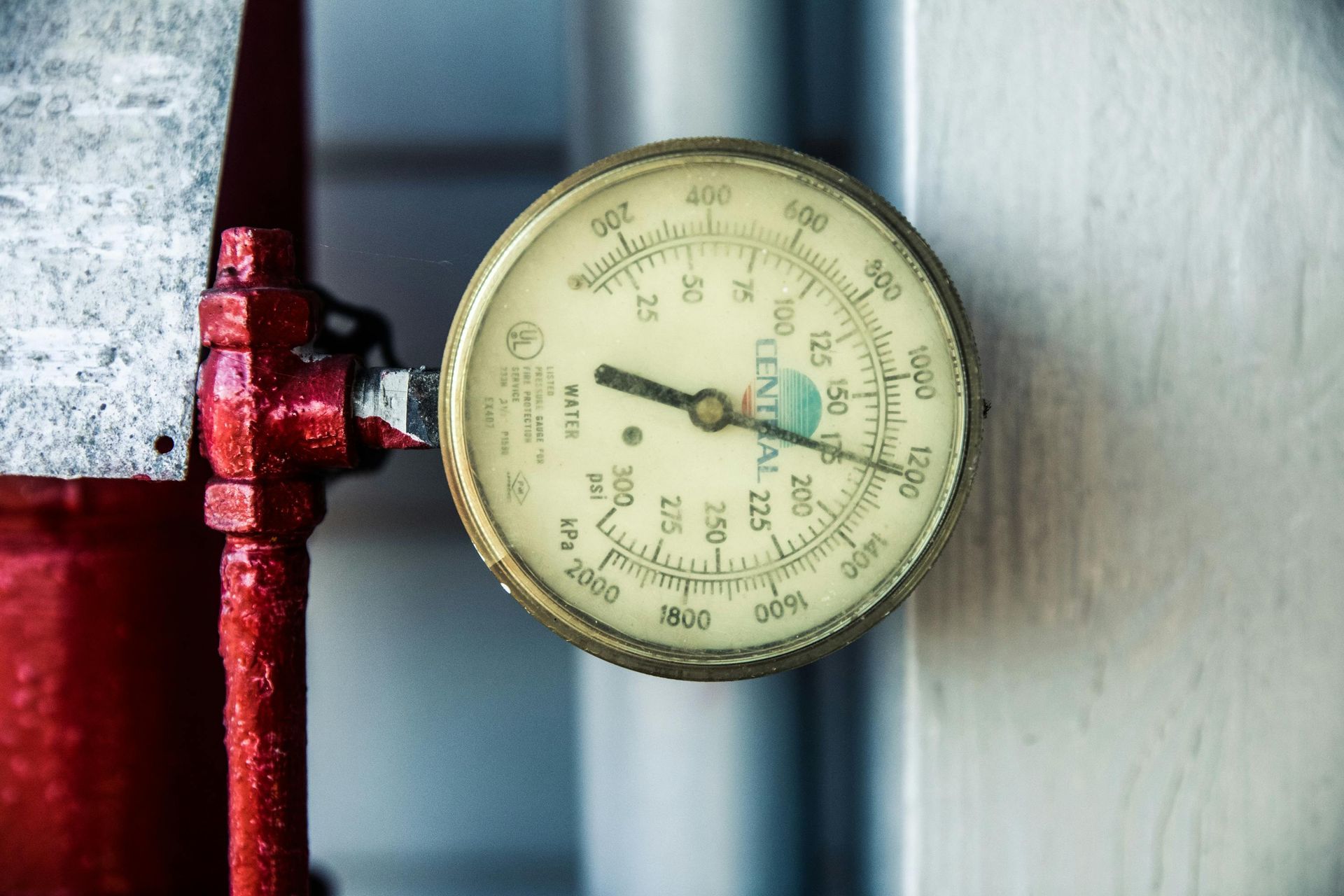
- Your water meter continues moving: If all faucets, fixtures, appliances, and outdoor water sources are turned off but the meter still shows usage, there could be a hidden leak somewhere in the system.
Homeowners sometimes overlook these signs because they develop gradually. A small stain may seem cosmetic, or a slightly higher water bill may be blamed on seasonal changes. Unfortunately, plumbing leaks rarely improve on their own. Even a slow leak can continuously introduce moisture into areas of the home that were never designed to stay wet.
If something seems different but you cannot find the source, a professional Dallas, GA plumber can help determine whether a hidden water leak is responsible. Leak detection is especially valuable when the symptoms are present but there is no obvious dripping pipe or damaged fixture to explain them.
Where Hidden Plumbing Leaks Commonly Develop
A plumbing system runs through many areas of a home that homeowners cannot easily inspect. Water supply lines may travel behind walls, through ceilings, beneath floors, and into cabinets before reaching a faucet or fixture. Because so much of the system is concealed, the location where water damage becomes visible is not always the same place where the leak actually started.
Kitchens and bathrooms are among the most common places for hidden plumbing leaks simply because they contain so many water connections. Supply lines beneath sinks can loosen or deteriorate, seals around fixtures can fail, and plumbing behind showers or tubs can develop leaks that are difficult to see from the room itself. Toilets can also leak around connections or seals without immediately creating a large puddle on the bathroom floor.
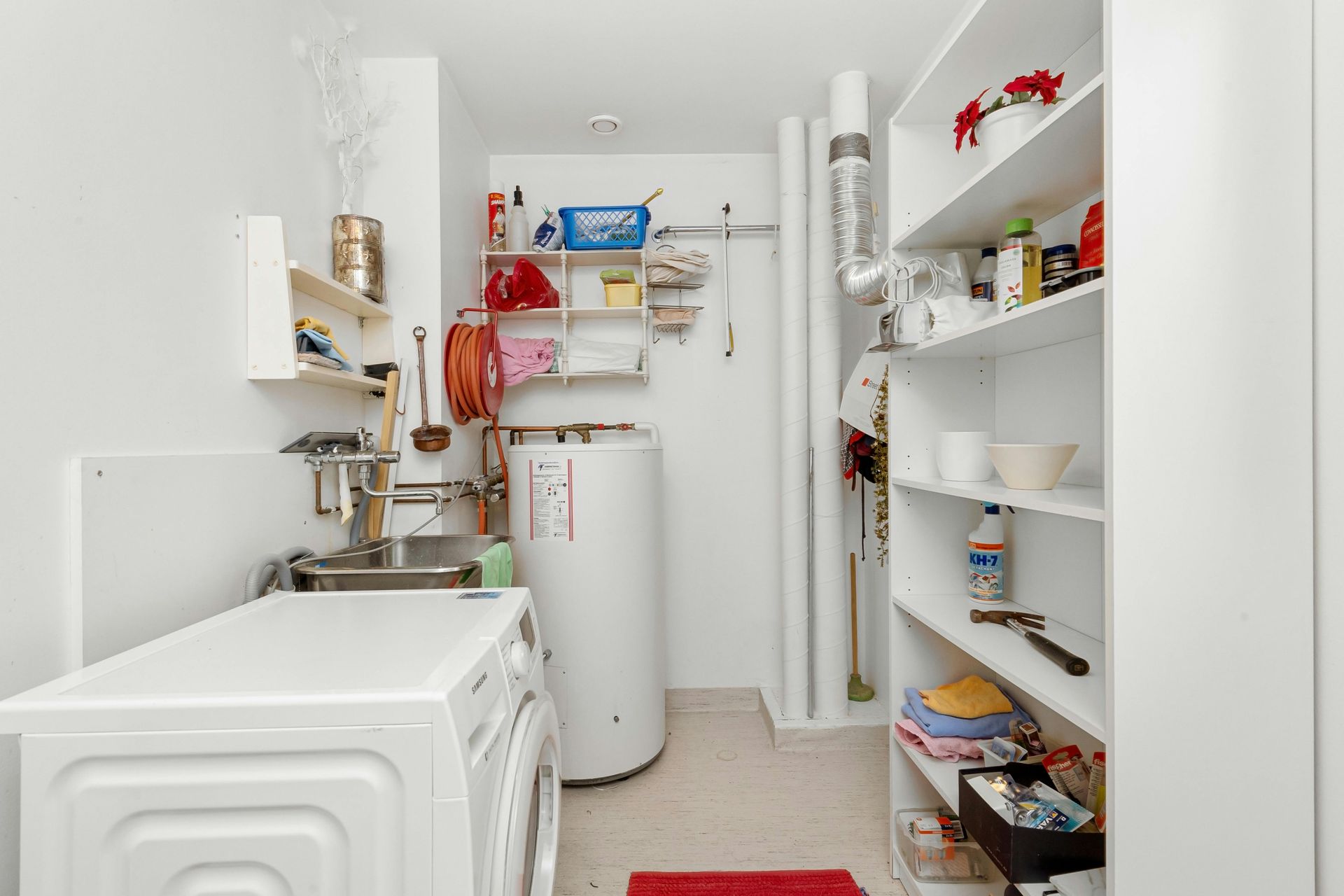
Laundry rooms are another area worth watching. Washing machine connections, valves, and nearby water lines can develop small leaks that slowly affect the wall or flooring around the appliance. In other areas of the home, a pipe concealed inside a wall may allow moisture to spread before homeowners notice discoloration or a change in the texture of the drywall.
Areas Homeowners Should Keep an Eye On
You do not need to dismantle walls or crawl underneath flooring to look for plumbing problems. Simply paying attention to areas where water is regularly used can make it easier to catch changes early.
- Under kitchen and bathroom sinks: Check for damp cabinet floors, swelling wood, moisture around supply lines, or water stains.
- Around toilets: Watch for flooring that feels soft, staining around the base, or moisture that repeatedly appears after being wiped away.
- Near tubs and showers: Loose flooring, peeling paint on nearby walls, or water marks on the ceiling below an upstairs bathroom may indicate a plumbing issue.
- Behind or near washing machines: Look for moisture around hoses, valves, walls, and flooring.
- On ceilings below bathrooms: New stains or discoloration may be connected to plumbing located on the floor above.
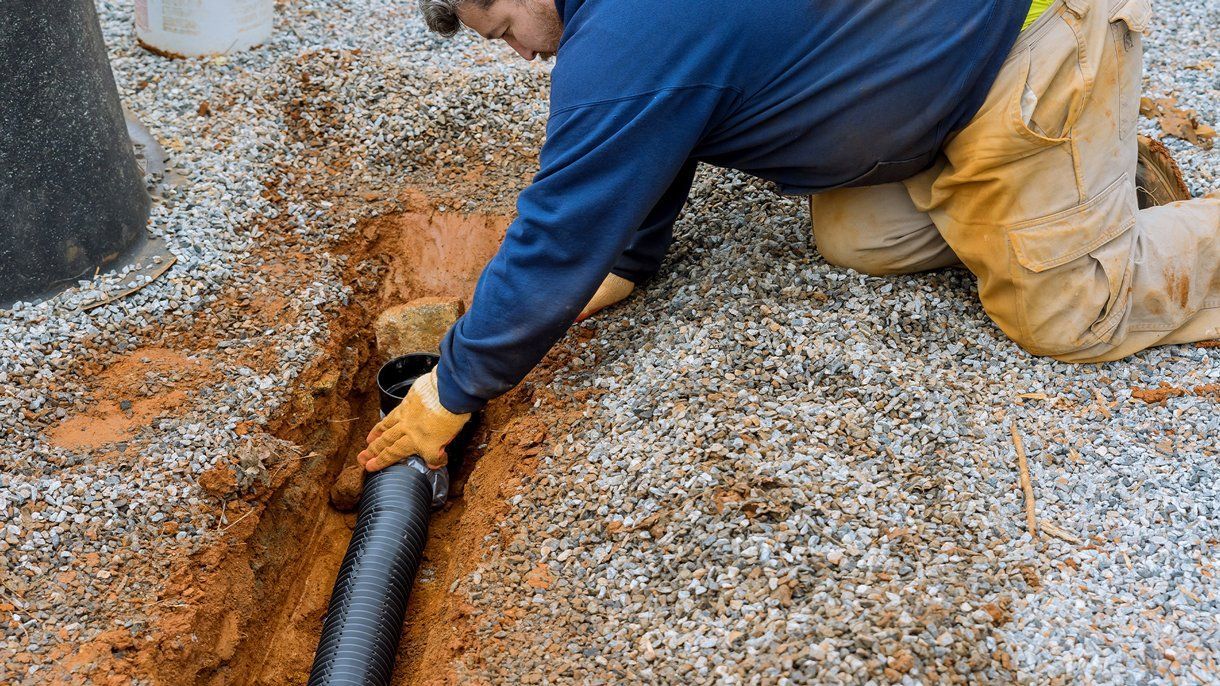
- Along exterior areas of the property: Unusually wet soil, persistent puddling, or patches of especially lush grass may sometimes point to a leaking underground water line.
Another clue is a recurring problem. If a ceiling stain is painted over but eventually returns, or a cabinet keeps developing a musty smell even after it has been cleaned, there may be an ongoing source of moisture that needs to be identified. Treating the cosmetic symptom without addressing the plumbing leak only gives the water more time to cause additional damage.
Why Finding the Source Matters
Water does not always travel in a straight line. It can move along pipes, framing, drywall, or flooring before finally becoming visible. That is why cutting into the first wall with a stain is not necessarily the best way to locate a leak. Professional leak detection helps narrow down the source so the appropriate plumbing repair can be made without unnecessary guesswork.
For homeowners looking for water leak repair in Hiram, Dallas, or other nearby West Georgia communities, identifying the actual source is an important first step. Depending on the problem, the repair could involve a fixture connection, a damaged section of water line, aging plumbing materials, or another component of the home's plumbing system.
Early detection can also help protect parts of the home that are especially vulnerable to moisture. Cabinets can swell, flooring may warp, drywall can deteriorate, and damp areas can become increasingly difficult to restore when a leak continues unchecked. Addressing the plumbing problem sooner helps reduce the amount of water entering those spaces.

When Should You Call a Plumber for Leak Detection?
Some plumbing problems have simple explanations, but persistent signs of moisture should not be ignored. If you have checked visible faucets and fixtures and still cannot explain a higher water bill, running-water sound, damp area, or recurring stain, it may be time to call a professional plumber for leak detection.
This is especially important when several warning signs appear at the same time. For example, a rising water bill combined with a musty smell and a soft section of flooring provides a much stronger indication that water may be escaping somewhere out of sight. The same applies when water damage repeatedly returns after the surface has been cleaned, dried, or repainted.
Homeowners should consider scheduling a plumbing inspection when they notice situations such as:
- Water usage increasing without an obvious change in household habits
- Recurring stains on walls, floors, or ceilings
- A persistent damp or musty smell inside the home
- Cabinetry, baseboards, drywall, or flooring beginning to swell or warp
- The sound of water running when nothing is turned on
- Moisture repeatedly appearing around a plumbing fixture
- Unusually wet areas in the yard that cannot be explained by rain or irrigation
Waiting for a hidden leak to become obvious can mean waiting until much more water has escaped. A small plumbing leak may seem less urgent than a burst pipe, but the constant exposure to moisture is what can make these problems costly over time. Professional water leak detection allows the source to be investigated before the situation becomes more disruptive.
Professional Water Leak Repair in Dallas, Hiram, and Paulding County
When you suspect a plumbing leak, the goal should be to find the cause rather than simply cover up the evidence. Crossroads Plumbing & Renovations provides plumbing services for homeowners throughout Dallas, Hiram, and the surrounding Paulding County area. Professional leak detection can help determine where water is coming from and what type of repair is needed to stop the problem.
Once the source has been identified, the next step depends on the condition of the plumbing. Some leaks may be isolated to a fitting or connection, while others can involve a damaged water line or a section of aging pipe. Having the problem properly evaluated helps homeowners make informed decisions about the repair rather than repeatedly treating symptoms that continue to return.
Crossroads Plumbing & Renovations serves homeowners across West Georgia, including Dallas, Hiram, Powder Springs, Acworth, Villa Rica, Douglasville, Kennesaw, Rockmart, Temple, and nearby communities. If you are searching for a plumber in Dallas, GA, plumbing leak repair in Hiram, or professional water leak detection in Paulding County, working with a local plumbing company means choosing a team familiar with the homes and plumbing needs found throughout the area.
Don't Let a Small Leak Turn Into a Bigger Plumbing Problem
Hidden plumbing leaks are easy to overlook because they often begin with small changes—a slightly higher bill, an unexplained smell, a faint stain, or a section of flooring that suddenly feels different. Paying attention to those warning signs gives you an opportunity to address the problem before water has more time to spread.
A good habit is to occasionally walk through your home and check the places where plumbing problems are most likely to show themselves. Look beneath sinks, around toilets, near tubs and showers, beside appliances, and along ceilings beneath bathrooms. Compare your water bills from month to month and pay attention when your water usage changes without an obvious reason.
- Watch for unexplained changes in your water bill.
- Pay attention to stains, odors, soft surfaces, or recurring moisture.
- Check visible plumbing connections periodically.
- Do not assume a recurring water stain is only cosmetic.
- Call a professional plumber when you suspect the source is hidden.
If something around your home suggests water is escaping where it should not be, Crossroads Plumbing & Renovations can help identify the problem and determine the right repair. Addressing a hidden leak early can save water, protect your home, and give you confidence that the plumbing issue has been handled at its source.