
Does Your Home Need Repiping? Signs It’s Time to Replace Old Plumbing in Hiram, GA
What Aging Pipes Can Mean for Your West Georgia Home
Most homeowners do not spend much time thinking about the pipes hidden behind their walls. As long as the faucets work, the toilets flush, and there is hot water when you need it, it is easy to assume the plumbing system is doing just fine. Unfortunately, pipes do not last forever. Over time, age, corrosion, mineral buildup, previous repairs, and everyday wear can gradually affect the plumbing throughout a home.
For homeowners in Hiram, Dallas, and communities throughout Paulding County and West Georgia, older plumbing can eventually become more than an occasional inconvenience. One small leak may be an isolated problem, but repeated leaks or several plumbing issues happening in different areas of the house can point to a larger problem within the piping system.
How long plumbing lasts depends heavily on the material used, the quality of the original installation, the water running through the system, and how well the plumbing has been maintained over the years. Some homes have also been partially renovated over time, which can leave a mixture of newer and older pipes throughout the property. That can make it harder for a homeowner to know the true condition of the system without a professional evaluation.
Several factors can contribute to pipes deteriorating faster, including:
- The age of the home and its original plumbing system
- Corrosion developing inside or outside the pipes
- Mineral buildup that gradually restricts water flow
- Repeated leaks, patches, or past plumbing repairs
- Changes or additions made during previous renovations
- Water quality and the type of piping material installed
A home does not necessarily need to be extremely old to have plumbing problems. Installation quality matters, and certain pipe materials can develop problems earlier than expected. That is why the overall pattern of plumbing issues is often more important than simply looking at the age of the house.
When One Plumbing Repair Starts Turning Into Several
Almost every homeowner will deal with a plumbing repair at some point. A leaking connection beneath the kitchen sink or a failed valve behind a toilet does not automatically mean the entire home needs new plumbing. The concern grows when repairs begin happening repeatedly or when similar problems start appearing in different rooms.
For example, you might repair a leak in one bathroom, only to discover another leak several months later near the laundry room. Then you notice corrosion around exposed piping in the basement or utility area. Individually, each problem may seem manageable. Together, they may indicate that the plumbing system itself is reaching the point where replacing individual sections is no longer the most practical long-term solution.
This is where an experienced plumber can help homeowners determine whether a targeted repair is still appropriate or whether whole-home repiping should be considered. The goal is not to replace plumbing unnecessarily. It is to understand what is happening throughout the system so homeowners can make a decision before a series of small problems turns into a major water-damage emergency.
If you own an older home in Hiram, Dallas, Powder Springs, or another nearby West Georgia community, having aging plumbing evaluated can provide a much clearer picture of what may be happening behind the walls. Sometimes a simple repair is all that is needed. In other situations, replacing aging supply lines can provide a more dependable solution than continuing to repair the system one leak at a time.
Signs Your Pipes May Be Reaching the End of Their Life
Plumbing problems do not always arrive as a dramatic burst pipe with water pouring through the ceiling. Many aging systems give homeowners smaller warning signs first. Recognizing those signs can make it possible to address the underlying issue before serious water damage occurs.
One of the biggest things to watch for is repetition. A single plumbing problem can happen in any home. Several problems occurring within a relatively short period deserve more attention, especially when they involve different sections of the plumbing system.
Common signs that it may be time to discuss repiping include:
- Recurring leaks. Frequent pipe or fitting leaks in different areas of the home can indicate widespread deterioration rather than one isolated failure.
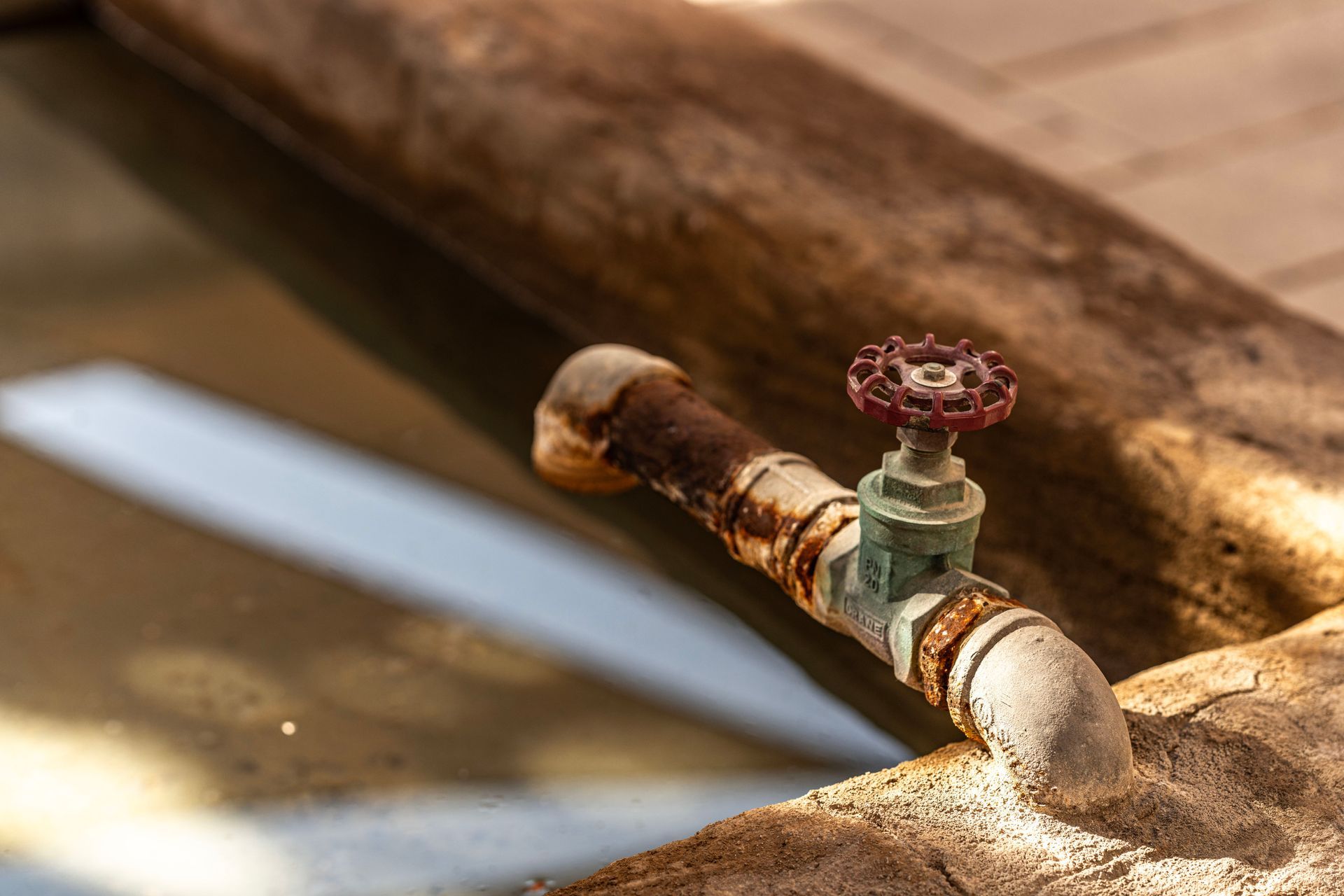
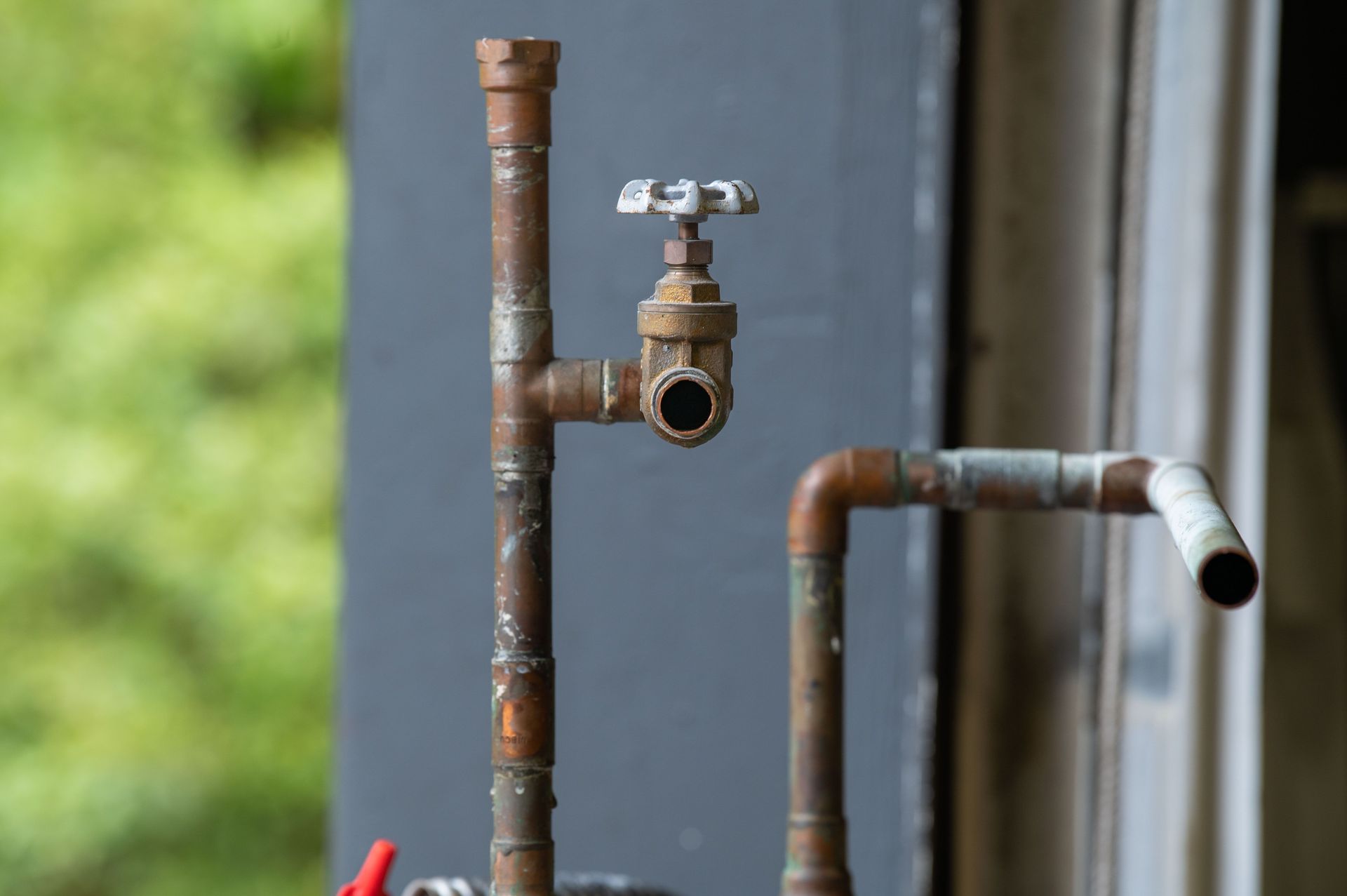
- Visible corrosion. Rust, discoloration, flaking, or other deterioration on exposed pipes may provide clues about the condition of plumbing that cannot be easily seen.
- Discolored water. Brown, reddish, or yellowish water can sometimes be associated with corrosion or sediment within aging pipes.
- Changes in water flow. Mineral buildup and deteriorating plumbing can restrict water movement and affect how consistently fixtures operate.
- Unexplained moisture. Damp drywall, stains, warped flooring, or musty areas can sometimes indicate a slow leak hidden behind a wall or beneath a floor.
- Multiple previous repairs. If different sections of the system have already been patched or replaced, it may be worth considering whether a more comprehensive solution makes sense.
- Older plumbing throughout the home. Even without an active leak, significantly aging piping may be worth evaluating when planning renovations or other major home improvements.
It is important to remember that these symptoms can have more than one possible cause. Low water flow, for instance, could come from a fixture issue, buildup, a valve problem, or another plumbing concern rather than aging pipes. That is why diagnosis matters. A professional plumber can look at the complete system instead of assuming that one symptom automatically means the entire house needs to be repiped.
Homeowners should also pay attention to subtle signs around the property. A wall that suddenly feels damp, a ceiling stain that slowly grows, or flooring that begins to swell can signal a leak that has been developing for some time. Hidden leaks are especially concerning because water can continue affecting drywall, framing, cabinetry, flooring, and insulation before the problem becomes obvious.
Repair the Leak or Replace the Pipes?
One of the most common questions homeowners have is whether they should repair the problem in front of them or consider replacing a larger portion of their plumbing. There is no universal answer. The right choice depends on the age and condition of the plumbing, the number of previous repairs, the location of the damage, and whether similar issues are appearing elsewhere in the home.
A localized repair generally makes sense when the rest of the plumbing is in good condition and the problem is limited to a specific fitting, valve, or section of pipe. However, repeatedly opening walls and paying for individual repairs can become frustrating and expensive when the underlying plumbing is deteriorating throughout the house.
Homeowners may want to ask a plumber questions such as:
- Is this damage isolated, or are similar problems visible elsewhere?
- What type of plumbing material is currently installed?
- Are there signs of corrosion or deterioration throughout the system?
- How many sections of plumbing have already been repaired or replaced?
- Would repiping provide a better long-term value than continuing individual repairs?
- Can the project be coordinated with an upcoming bathroom, kitchen, or whole-home renovation?
That last question can be especially useful for homeowners already planning remodeling work. If walls are going to be opened for a kitchen renovation, bathroom update, or other interior project, it may be an ideal time to evaluate older plumbing and make necessary upgrades. Coordinating the work can prevent homeowners from finishing a beautiful renovation only to discover a plumbing problem behind the new drywall or cabinetry later.
For homeowners in Hiram and the surrounding Greater Atlanta and West Georgia areas, the best approach is to look at the plumbing system as a whole. A good plumber should explain what they are seeing, show you where the concerns are, and help you understand whether repair or replacement is the more sensible option for your particular home.
What Happens During a Whole-Home Repipe?
The phrase “whole-home repiping” can sound intimidating. Many homeowners immediately imagine their entire house being torn apart for weeks. In reality, a properly planned repiping project is a controlled process designed to replace aging plumbing while limiting unnecessary disruption to the home.
The first step is usually an evaluation of the existing plumbing system. A plumber needs to understand what type of piping is installed, where the lines run, which areas are showing signs of failure, and how new plumbing can be routed efficiently. Every property is different, so the plan for a ranch-style home in Hiram may look very different from the plan for a multi-story house in Kennesaw or Douglasville.
A typical repiping project may involve several stages:
- Inspecting the existing system. The plumber evaluates accessible pipes, fixtures, shutoff valves, and areas where previous problems have occurred.
- Planning the new piping routes. Careful planning helps reduce the number and size of wall or ceiling openings needed to access the plumbing.
- Creating necessary access points. Small sections of drywall or other finishes may need to be opened so old plumbing can be reached and new lines installed.
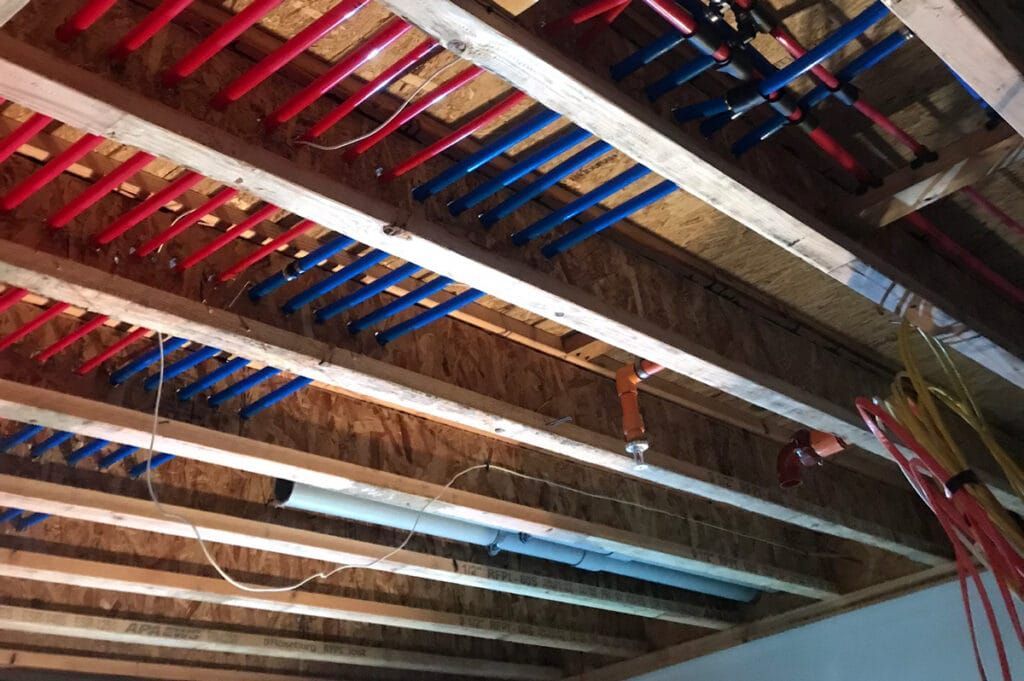
- Installing replacement water lines. Aging sections are replaced and connected to the home’s fixtures and plumbing system.
- Testing the completed system. Connections are checked carefully to make sure the new plumbing is operating correctly and there are no leaks.
- Repairing affected finishes. Drywall, tile, paint, or other surfaces opened during the plumbing work can then be restored.
That final step is one homeowners sometimes overlook when comparing plumbing companies. Repiping involves more than installing new pipes because plumbing is usually located behind finished surfaces. After the mechanical work is complete, someone still needs to address the areas that were opened to reach it.
Crossroads Plumbing & Renovations is particularly well positioned for projects like this because plumbing and renovation services can be handled together. Rather than completing a repipe and leaving a homeowner to coordinate separate contractors for drywall, tile, or other finish repairs, having plumbing and renovation experience under one roof can help create a smoother path from the initial repair through the finished space.
Planning a Repiping Project Before a Plumbing Emergency
There is an important difference between choosing to replace aging plumbing on your schedule and being forced to deal with it after a major failure. When homeowners have time to plan, they can discuss options, understand the scope of the project, coordinate repairs with other renovations, and prepare for the work rather than making decisions while water is actively damaging the house.
Planning ahead can be especially worthwhile if your home is already showing several warning signs or if you are preparing for a major renovation. Before installing new flooring, refinishing walls, replacing cabinets, or remodeling a bathroom, consider whether the plumbing serving those areas should be inspected first.
A proactive plumbing evaluation may be worth considering when:
- You have experienced several leaks in recent years
- Your home has older plumbing that has never been replaced
- You can see corrosion on accessible sections of pipe
- You are preparing for a major kitchen or bathroom remodel
- You have purchased an older home and do not know its plumbing history
- You are tired of repeatedly repairing different sections of the same aging system
Replacing plumbing is a significant home improvement, so homeowners should never feel pressured into making the decision based on one minor problem. The value of a professional inspection is understanding whether the issue is truly isolated or part of a broader pattern. When repiping is appropriate, addressing the system before a catastrophic failure can help reduce the likelihood of future leaks and give homeowners greater confidence in the plumbing behind their walls.
Crossroads Plumbing & Renovations serves homeowners throughout Hiram, Dallas, Powder Springs, Acworth, Villa Rica, Douglasville, Kennesaw, Rockmart, Temple, Paulding County, and surrounding West Georgia communities. Whether you are dealing with another unexpected leak, considering a whole-home repipe, or planning a renovation that involves older plumbing, having the system professionally evaluated is a smart place to start.
If you are unsure whether your home needs a simple plumbing repair or a larger piping upgrade, contact Crossroads Plumbing & Renovations to discuss what you are experiencing. A closer look at the condition of your plumbing can help you decide what makes sense for your home today and what may help prevent bigger problems tomorrow.