Sewer Camera Inspections in Dallas, GA: What They Reveal About Your Home's Plumbing
What Can a Sewer Camera Inspection Find Inside Your Pipes?
Most homeowners don't spend much time thinking about what happens to wastewater after it disappears down the drain. As long as the sinks empty, the toilets flush, and everything seems to be working, there's not much reason to worry. But when plumbing problems start showing up, figuring out what's happening inside those underground pipes can be a challenge. That's where a professional sewer camera inspection comes in.
For homeowners in Dallas, GA, and surrounding communities throughout Paulding County, sewer camera inspections offer a practical way to investigate drainage problems without immediately digging up the yard or opening walls. Instead of guessing what's causing repeated clogs or slow drains, a plumber can use specialized equipment to see what's happening inside accessible sections of the sewer line.
At Crossroads Plumbing & Renovations, we understand how frustrating it can be when the same plumbing problem keeps coming back. A sewer camera inspection can help take some of the mystery out of the situation, making it easier to determine what needs attention and which repairs may actually be necessary.
How Does a Professional Sewer Camera Inspection Work?
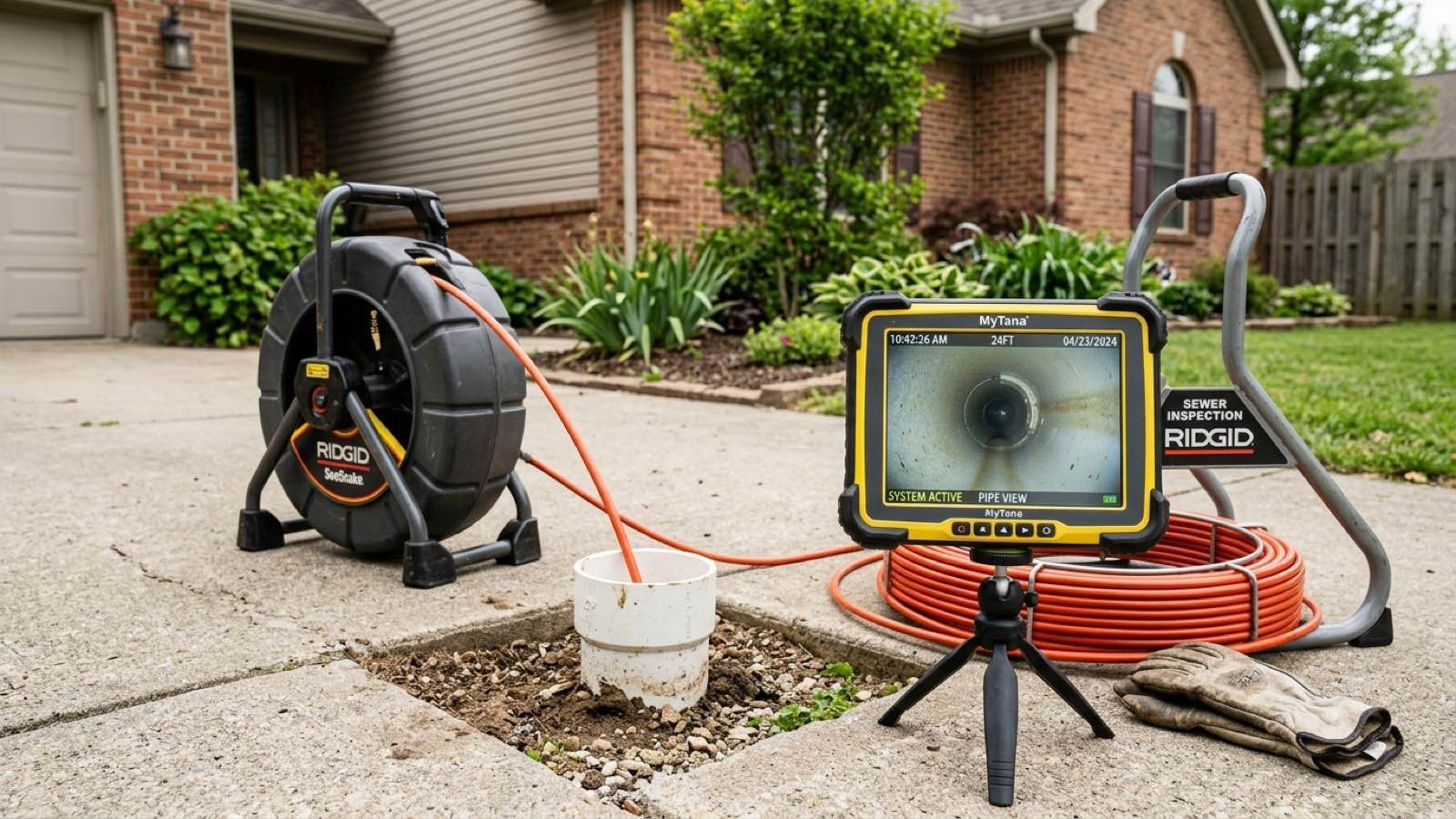
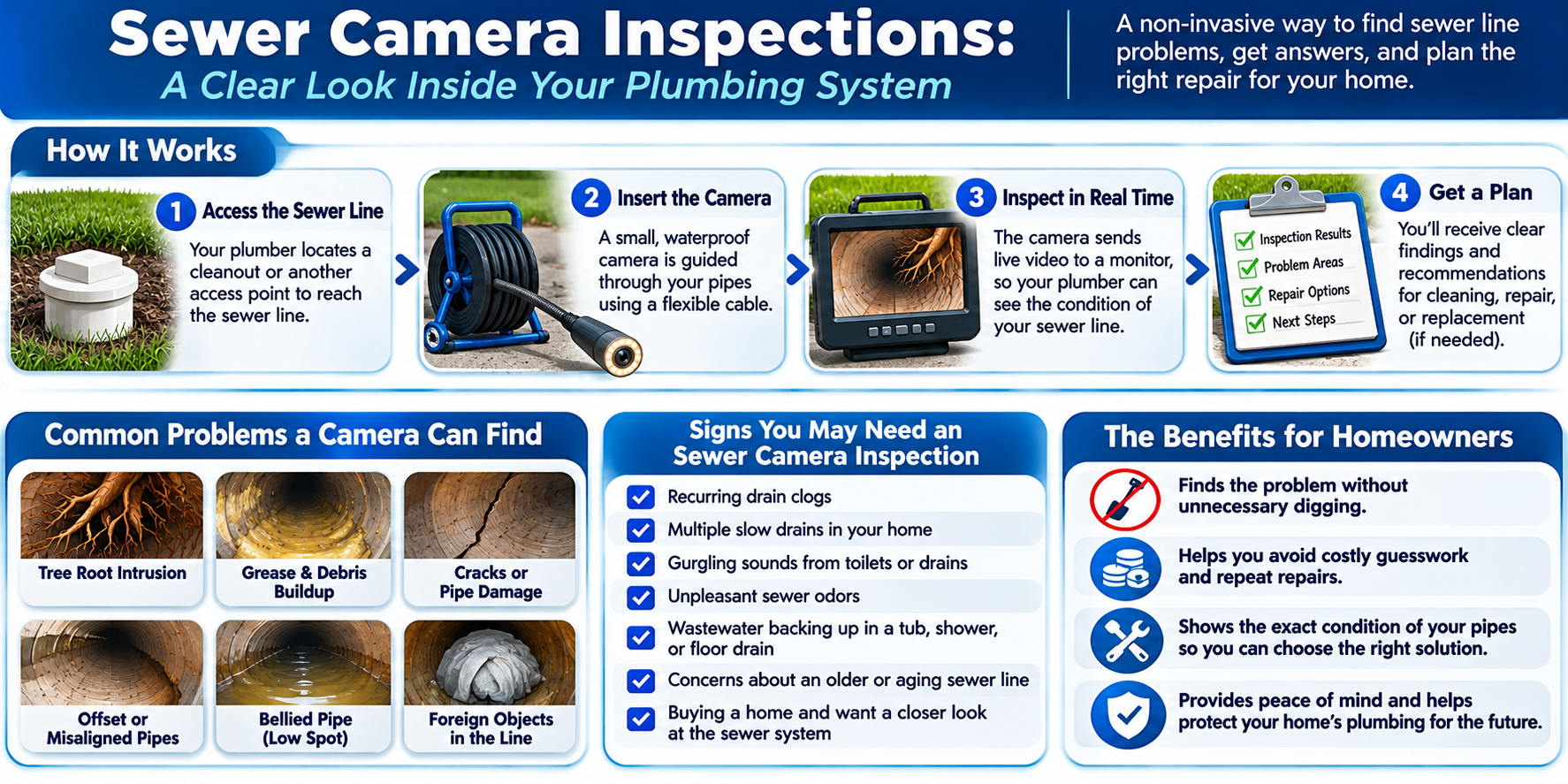
A sewer camera inspection uses a small, waterproof camera attached to a flexible cable. The camera is carefully guided through the drainage system, usually through an accessible cleanout or another suitable entry point. As it moves through the pipe, it sends video footage to a monitor so the plumber can examine the interior condition of the line.
This process provides a much clearer picture of potential problems than symptoms alone. A slow drain might seem like a simple clog, but the underlying issue could be a buildup of debris, an obstruction farther down the line, or damage to the pipe itself. Camera inspections help distinguish between these possibilities.
Depending on the condition and accessibility of the plumbing system, an inspection may help identify:
- Tree root intrusion: Roots can enter sewer lines through cracks or loose joints, eventually restricting wastewater flow.
- Grease and debris buildup: Accumulated materials can narrow the inside of a pipe and contribute to recurring drainage problems.
- Cracked or broken pipes: Visible damage may indicate a section of sewer line needs professional repair.
- Offset pipe connections: Pipe sections that have shifted out of alignment can create places where waste collects.
- Bellied sewer lines: Low sections of pipe may allow wastewater and solids to collect instead of flowing properly.
- Foreign objects: Items that should never have entered the plumbing system may become lodged inside a drain or sewer line.
One important thing to understand is that a sewer camera inspection is a diagnostic tool, not a repair by itself. It helps reveal visible conditions inside the pipe, but it cannot always determine everything about the surrounding soil, hidden leaks, or structural conditions outside the pipe. Your plumber may recommend additional testing when necessary.
Why Finding the Actual Problem Matters
Imagine having a toilet that backs up every few months. You clear the blockage, everything works again, and you assume the problem is solved. Then, a few weeks later, the same thing happens. Repeatedly treating the symptom without identifying the cause can become expensive and inconvenient.
A sewer line camera inspection gives your plumber more information to work with. If the footage shows roots growing through a damaged joint, simply clearing the roots may only provide temporary relief. If the line is structurally sound but filled with buildup, professional drain cleaning might be the more appropriate solution.
For homeowners in Dallas, Hiram, and nearby West Georgia communities, this type of targeted diagnosis can help prevent unnecessary work and support better long-term plumbing decisions. Rather than choosing a repair based on assumptions, you can discuss the condition of the pipe and the available options with a clearer understanding of the problem.
It also helps homeowners ask better questions. Is the issue isolated to one section? Does the pipe need cleaning, repair, or replacement? Is there evidence that the problem could return? Having visual information makes those conversations much more productive.
When Should Dallas and Hiram Homeowners Schedule a Sewer Line Inspection?
Not every slow drain means there's a serious sewer line problem. Sometimes a bathroom sink just needs its stopper cleaned, or a kitchen drain has accumulated grease and food residue. However, when drainage issues keep returning or several fixtures start acting up at once, the problem may be farther down the plumbing system.
Homeowners throughout Dallas, Hiram, Powder Springs, and Acworth should pay attention to changes in how their plumbing behaves. Sewer line problems don't always begin with a dramatic backup. Often, there are smaller warning signs that something isn't working quite right.
Some situations that may justify a professional sewer camera inspection include:
- Recurring drain clogs: A drain that repeatedly backs up after being cleared may have an underlying obstruction or pipe defect.
- Multiple slow drains: When several fixtures drain slowly at the same time, the issue could involve a shared drain or main sewer line.
- Gurgling plumbing fixtures: Unusual bubbling or gurgling sounds can indicate drainage or venting problems that deserve further investigation.
- Unpleasant sewer odors: Persistent sewage smells may indicate a plumbing issue, although not every odor originates inside the sewer line.
- Wastewater backing up: Sewage appearing in a bathtub, shower, or floor drain can signal a significant blockage requiring prompt attention.
- Concerns about older plumbing: Homes with aging sewer lines may benefit from an inspection when there are symptoms or questions about pipe condition.
It's especially important to act quickly if wastewater is backing up into your home. Avoid using affected plumbing fixtures until the problem has been evaluated. Continuing to run water or flush toilets can make an existing backup worse and increase the risk of property damage.
A camera inspection isn't automatically necessary for every plumbing complaint. An experienced plumber can evaluate the symptoms, determine whether the issue appears to be isolated or widespread, and recommend the most useful diagnostic approach.
How Sewer Camera Inspections Help Prevent Costly Repairs
One of the biggest advantages of a sewer camera inspection is the opportunity to identify certain problems before they turn into more disruptive repairs. A small obstruction, deteriorating pipe joint, or developing root intrusion may be easier to address before it causes a complete blockage.
Tree roots are a good example. Trees and shrubs naturally seek moisture, and roots can enter sewer pipes through existing openings or damaged connections. Once inside, they may continue growing and collect toilet paper and other debris. Eventually, wastewater may struggle to pass through the affected section.
In established neighborhoods throughout Paulding County, properties with mature landscaping may have sewer lines running near trees or large shrubs. That doesn't mean every tree is a threat to underground plumbing, but recurring root-related blockages are worth investigating rather than repeatedly clearing without a plan.
Another concern is pipe movement. Over time, soil conditions, installation issues, and aging materials can contribute to sections of sewer pipe shifting or deteriorating. If a pipe develops a low spot, wastewater may collect there instead of flowing consistently toward the municipal sewer connection or septic system.
Camera footage can help a plumber identify visible signs of these conditions and determine whether additional evaluation is needed. Catching a problem earlier doesn't guarantee an inexpensive repair, but it may provide more options before a complete failure occurs.
Homeowners can also take a few practical steps to reduce the likelihood of future sewer problems:
- Keep cooking grease, oils, and food scraps out of kitchen drains.
- Flush only toilet paper and human waste, even when other products are labeled flushable.
- Pay attention to recurring clogs instead of relying on temporary fixes.
- Consider underground utility locations when planning major landscaping projects.
- Ask a licensed plumber whether a camera inspection makes sense when drainage problems continue.
Should You Get a Sewer Camera Inspection Before Buying a Home?
Buying a home is exciting, but it's also a major investment. Most buyers focus on the roof, HVAC system, foundation, and visible plumbing fixtures. The underground sewer line, however, can be easy to overlook because it isn't something you can inspect simply by walking through the house.
A standard home inspection may identify visible plumbing concerns without providing a detailed examination of the underground sewer line. A separate sewer camera inspection can offer additional information about accessible portions of the pipe, especially when purchasing an older property or a home with a history of drainage problems.
For buyers considering homes in Dallas, Villa Rica, Douglasville, or Kennesaw, knowing the condition of the sewer line before closing can help reduce unpleasant surprises. If an inspection reveals a significant issue, the findings may help guide further evaluation, repair discussions, or negotiations with the seller.
It's also useful for homeowners planning renovations. If you're preparing to remodel a bathroom, expand your home, or make major plumbing upgrades, understanding the condition of the existing drainage system can help you plan more effectively.
While a camera inspection cannot guarantee that a sewer line will remain trouble-free, it can provide valuable information at a time when informed decisions matter most.
What Happens After a Professional Sewer Camera Inspection?
Once a sewer camera inspection is complete, the next step is understanding what the footage actually means. Seeing something unusual inside a pipe doesn't automatically mean the entire sewer line needs to be replaced. Some problems can be addressed through cleaning or a localized repair, while others may require more extensive work.
A qualified plumber will consider the inspection findings alongside your home's drainage symptoms, the condition of the plumbing system, and any additional testing that may be necessary. The goal is to recommend a solution that addresses the underlying issue rather than simply making the immediate symptoms disappear.
Depending on what the inspection reveals, possible recommendations may include:
- Professional drain cleaning: Removing accumulated debris or obstructions to restore proper drainage.
- Hydro-jetting: Using specialized high-pressure water equipment to clean suitable drain or sewer lines when the pipe condition allows.
- Targeted sewer line repair: Addressing a damaged or misaligned section when a localized repair is appropriate.
- Sewer line replacement: Replacing severely deteriorated or damaged piping when repairs would not provide a dependable solution.
- Additional diagnostic testing: Investigating suspected leaks, pipe slope concerns, or conditions that cannot be confirmed through camera footage alone.
The right recommendation depends on the specific problem. For example, hydro-jetting may be effective for certain types of buildup, but it isn't necessarily appropriate for a severely damaged pipe. Likewise, a small visible defect doesn't always justify replacing an entire sewer line.
At Crossroads Plumbing & Renovations, we believe homeowners deserve clear explanations and practical options. Understanding what's happening inside your plumbing system makes it easier to choose repairs with confidence instead of feeling pressured into a decision you don't fully understand.
Questions to Ask Your Plumber About Sewer Line Problems
Plumbing terminology can be confusing, especially when you're dealing with an unexpected sewer problem. Don't hesitate to ask questions about the inspection findings or the recommended work. A good conversation with your plumber can help you understand both the immediate concern and the longer-term condition of your system.
Before approving a major sewer line repair, consider asking:
- What did the camera inspection reveal about the condition of my sewer line?
- Is the problem limited to one area, or are multiple sections affected?
- Would professional cleaning solve the issue, or is a repair necessary?
- Are there different repair options available for my situation?
- What could happen if I delay the recommended work?
- What can I do to reduce the chance of this problem returning?
These questions can help you make an informed decision without becoming overwhelmed by technical details. They also encourage a discussion about whether the proposed solution addresses the cause of the problem rather than only its symptoms.
Remember that not every sewer issue requires emergency excavation or a complete replacement. The purpose of a professional inspection is to gather information so the appropriate next steps can be determined.
Trusted Sewer Camera Inspections in Dallas, GA and Surrounding Areas
When your drains keep backing up or your sewer line isn't working properly, you need more than a temporary fix. You need to know what's causing the problem and what it will take to get your plumbing working reliably again.
Crossroads Plumbing & Renovations provides professional plumbing diagnostics, drain line inspections, sewer services, and repairs for homeowners and businesses throughout Dallas, GA, and the surrounding West Georgia communities. As a locally based, family-owned plumbing company, we understand the importance of dependable service, straightforward communication, and repairs that make sense for your property.
Our service area includes Dallas, Hiram, Powder Springs, Acworth, Villa Rica, Douglasville, Kennesaw, Rockmart, Temple, and communities throughout Paulding County. Whether you're dealing with recurring drainage problems in an older home or investigating a possible sewer line obstruction, our experienced plumbing team can help determine the appropriate next steps.
We know that unexpected plumbing problems can disrupt your routine and create unnecessary stress. That's why we focus on identifying the issue, explaining your options, and helping you make decisions that protect your home and your budget.
If you're noticing repeated clogs, slow drains throughout the house, or other signs of a possible sewer line problem, don't wait for a major backup to investigate. A professional sewer camera inspection may help reveal the cause and guide you toward an effective solution.
Ready to find out what's happening inside your sewer line? Contact Crossroads Plumbing & Renovations at 770-288-5802 or visit our contact page to request service. We're proud to help homeowners throughout Dallas, GA, Paulding County, and nearby communities keep their plumbing systems running smoothly.